
CHITOSAN FOR FLOWERS.
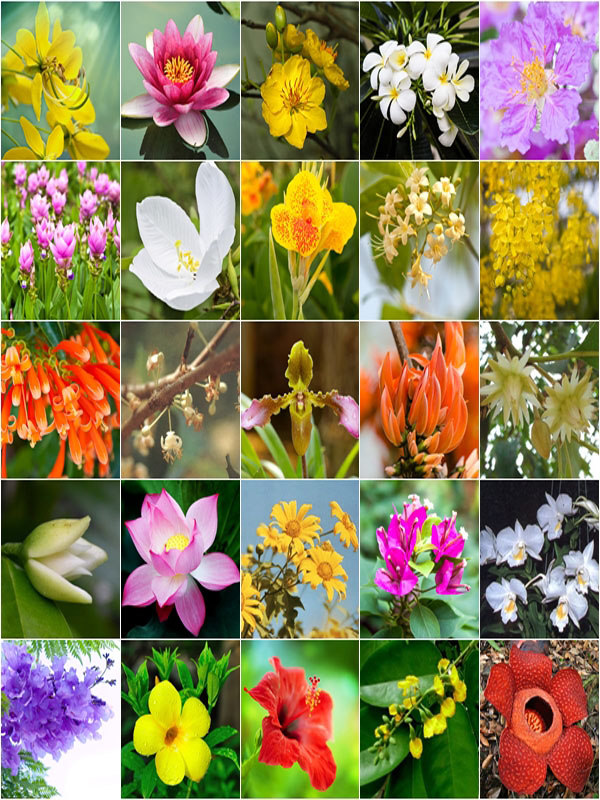
Chitosan for Flowers
Chitosan is a biopolymer extracted from shrimps, crabs or squid pens which is non-toxic and biodegradable and can be applied in many industries.
Benefits of Chitosan in Flower Plants
1. Growth enhancer for all parts of plant (roots, stems, flowers and fruits)
Chitosan as a growth enhancer to strengthen plant cell wall should be at medium molecular weight (100,000 - 300,000 Kda). Chitosan at low molecular weight results to penetrate plant cell wall and end up at nucleous where as chitosan at high molecular weight results to be left over on leaf 's skin and mouth that does not meet the objective of plant cell wall strengthening.
The function of enhancing growth and strengthening cell wall is started from using chitosan with medium molecular weight to be sprayed on parts of plant to be absorbed by leaf, mouth or opened channels of plant. Chitosan will be accumulated in plant cell wall and stuck with other substances in plant cell wall generating strong and tight binding complex network in cell wall structure resistant to various effects. Each individual cell can be effectively accumulated due to stronger cell wall. With chitosan spraying on, all stems, leaves, roots and flowers are apparently enlarged.
2. Immune enhancer
Chitosan digested to short molecular chain (less than 30,000 Kda) will be penetrated to plant cell and very fine molecular chitosan will be directly penetrated to plant cell nucleous and stimulate nucleous to generate protein function to enhance plant immunes terminating fungi, bacteria and some irritating insects. Plant cell will create lignin from immune enhancing process to protect itself from insects and fungi.
In additions, chitosan at proper molecular weight efficiently terminates a lot of fungi. Chitosan will be absorbed and embedded into fungi cell wall and attach chitin in fungi cell wall transforming to chitosan by chitin deacetylase enzyme to reduce strength of fungi cell wall. Chitin transformed from chitosan will gradually be dissolved when attached with natural acid. It can be noticed that the end of fungi fibre cannot be developed and is finally destroyed until the fungi die.
3. Prolonging the age of flowers.
Good chitosan solutions, when dry, will be transformed to biofilm and helps reducing vaporization on leaf and flower surfaces. Chitosan biofilm is different from other films such as wax or cellulose in term that chitosan biofilm allows some kind of gases flowing in and out, whereas the other films are not. In additions, chitosan biofilm also effectively inhibits bacteria and fungi which causes leaf and flower rotten.
Chitosan biofilm generated from good proportion of chitosan solution allows oxygen flow in plants and also prevent ethylene, the gas that causes leaf and flower withering. With this special qualification, chitosan can be used to preserve and prolong agricultural products such as prolong flowering, prolong fruit ripening and reduce threatening of bacteria and fungi.
However, compared to chemicals, chitosan does not effectively function on preventing leaf and flower withering. Chitosan does not inhibit all bacteria and fungi in the world. It is only biopolymer extracted from nature and safe to environment, but chitosan gradually plays important role when chemical using is increasingly prohibited or farmers are aware of chemical avoiding. Therefore, chitosan can be applicable and replaced in agricufture.